
certification
How to verify ASTM D6400 certification before adding a product to your catalog
A step-by-step checklist for confirming a supplier's ASTM D6400 compostable certification is real, current, and matches the exact product before you list it.
Sep 14, 2026
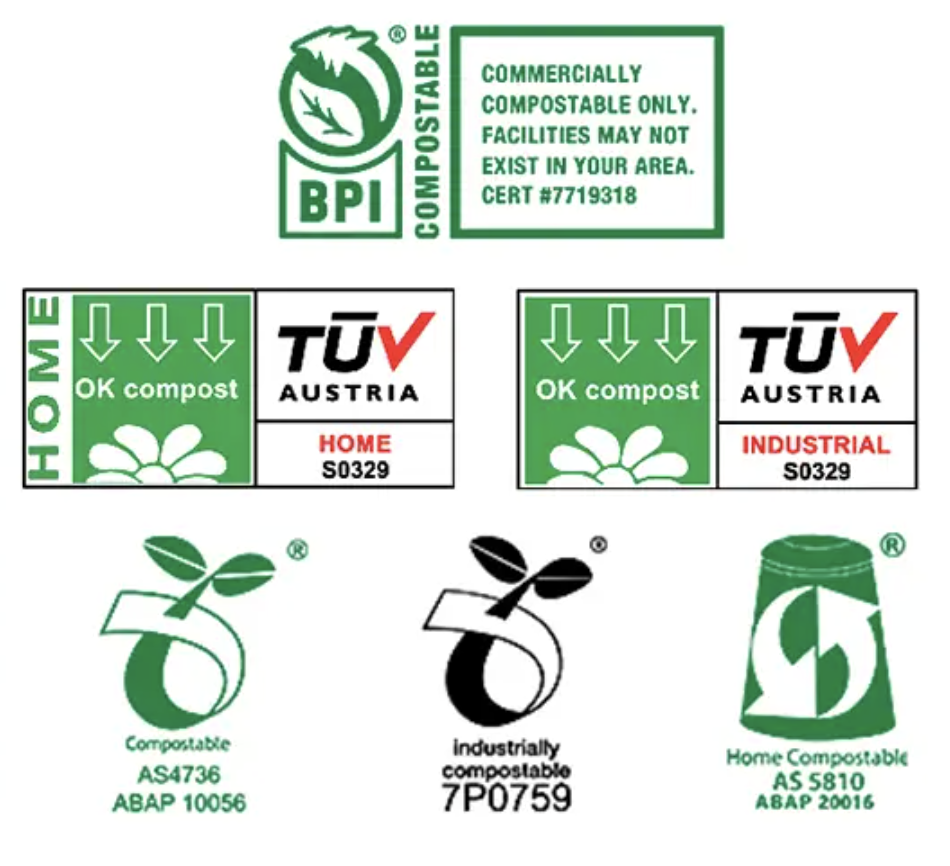
You don't trust a logo on a PDF. Before you add a "compostable" bag to your catalog, you check who issued the certification, which exact product it covers, whether it's rated for industrial or home composting, and whether it's still valid. A supplier saying "ASTM D6400 certified" with no current third-party listing behind it isn't verified it's a claim.
Here's how to actually check.
What ASTM D6400 is (and isn't)
ASTM D6400 is a lab testing standard, not a certification mark you can look up on a product yourself. It sets the requirements a plastic has to meet to be labeled "compostable" in industrial composting facilities in the U.S. things like how much of the material has to break down, and how fast.
Because it's a standard and not a logo, the only way to know a specific product actually meets it is to find that product listed by a certifying body that tests against D6400. In the U.S., the standard public check is the BPI (Biodegradable Products Institute) listing. TÜV Austria's OK Compost INDUSTRIAL and OK Compost HOME marks are additional checks worth knowing, especially if you also want home-compostable claims.
The verification checklist
- Match the exact SKU, film type, and color to the certificate — not just the parent brand. A certificate for "GreenCo compostable bags" doesn't automatically cover every bag GreenCo sells. Different thicknesses, resin blends, and even colors can be tested (and certified) separately.
- Confirm the certifying body. For U.S. industrial composting claims, look for BPI. If home compostability is claimed, look for TÜV OK Compost HOME. "Third-party tested" with no named body attached is not a certification.
- Search the public database yourself. Go to the BPI certified-products search (or TÜV's public database for OK Compost marks) and look up the exact SKU don't rely on a screenshot the supplier sends you.
- Read what environment the certificate actually covers. Industrial composting and home composting are different tests with different pass criteria. A product certified for industrial composting is not automatically safe to claim as home compostable.
- Check the issue date and expiry / recertification date. Certifications aren't permanent. If the listing has lapsed, treat the product as uncertified until it's renewed.
- Ask for the latest test report and lot / chain-of-custody documentation not just a certificate logo. This tells you the certification actually traces back to the batch you're buying, not just the product line in general.
Red flags to watch for
- The word "biodegradable" used with no standard attached at all.
- "Oxo-degradable" products marketed as compostable this is a different (and controversial) technology, not the same thing.
- An expired certificate.
- A certificate that covers a different thickness or resin than the product you're actually being offered.
- Any use of "compostable" with no certifying body named anywhere.
How GroundUp handles this
GroundUp recertifies annually and shares certificates on request. Certification marks are listed per product on our what-we-make page, and full certificate details are available on our certifications page. If you're sourcing for a catalog or wholesale program, that's the place to start.
FAQ
Is ASTM D6400 the same as BPI? No. ASTM D6400 is the technical standard a product is tested against. BPI is the organization that certifies and publicly lists products that pass testing against that standard (among others). A product can meet the D6400 standard but you can only verify that through a certifying body's listing, like BPI's.
Can I accept a supplier's in-house lab test as proof? Not on its own. In-house testing isn't independently verified. Look for a listing with a recognized third-party certifying body (BPI, TÜV Austria) before treating the claim as confirmed.
Does D6400 mean the bag is home compostable? No. D6400 covers industrial composting conditions higher heat and controlled environments most home compost setups don't reach. Home compostability requires separate certification (like TÜV's OK Compost HOME).
What if my city's composting program specifically wants BPI certification? Then look specifically for a BPI listing, not just any third-party mark. Some municipal and commercial composting programs only accept BPI-certified products, even if a product holds other legitimate certifications.